
Ask most retail business owners how their finances are actually managed day-to-day, and you'll hear some version of the same story: a spreadsheet for expenses, a separate tool for invoicing, a notebook (physical or mental) for what's owed and what's paid, and an accountant who spends half their time reconciling all of it at month-end. It works — until it doesn't, usually right when the business is busy enough that the gaps start costing real money.
This is exactly the problem purpose-built SaaS financial platforms solve, and it's why we built CERS (Consumer Electronics Retail System) — a platform designed specifically around how consumer electronics retailers actually operate, not a generic accounting tool retrofitted to fit.
Why generic tools break down for retail
Most off-the-shelf accounting software is built for a generic small business — a consultant, a freelancer, a services company. Retail has different needs entirely: inventory that ties directly to cost of goods sold, supplier invoices that need to reconcile against purchase orders, warranty and return handling that affects revenue recognition, and margins that shift per-SKU based on supplier deals.
When you force retail operations into generic accounting software, you end up bolting on spreadsheets to cover the gaps — which is exactly how errors, missed invoices, and untracked expenses creep in.
What a purpose-built platform like CERS actually changes
Invoicing that matches how retail really works
Invoices in retail aren't one-size-fits-all — you're often invoicing across different customer types, applying different tax treatments, and needing records that map cleanly back to specific inventory batches. CERS handles this natively, so invoicing isn't a separate task bolted onto your sales process — it's generated directly from the transaction.
Expense tracking tied to actual operations
Instead of expenses living in a spreadsheet disconnected from your inventory and sales data, they're tied directly to the operations that generated them — a supplier shipment, a marketing spend tied to a specific campaign, a repair cost tied to a warranty claim. That connection is what makes your numbers actually mean something at month-end, instead of requiring an accountant to reverse-engineer the story.
Real-time financial visibility
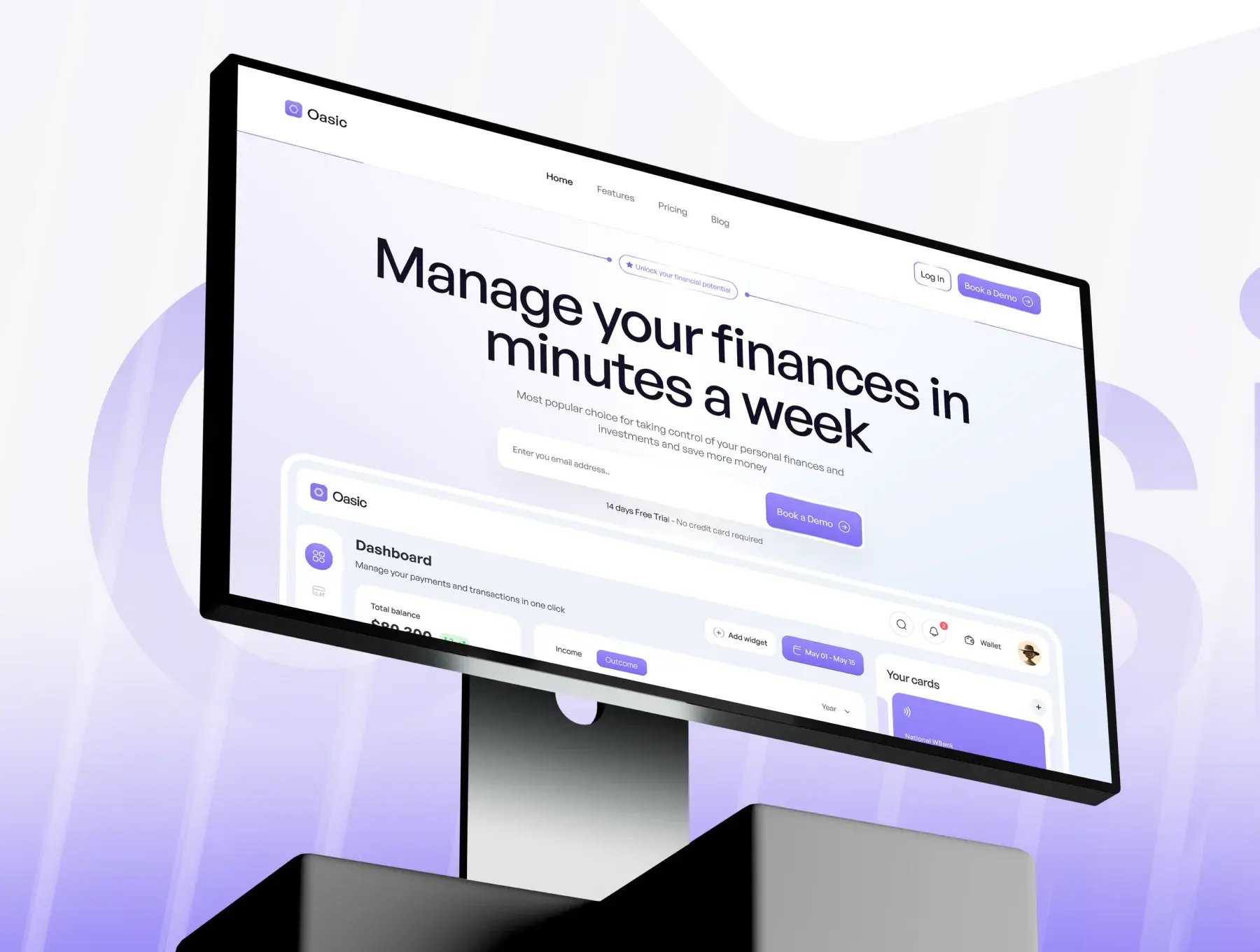
The difference between finding out you're low on cash flow today versus finding out three weeks from now when your accountant closes the books is enormous for a growing retail business. A live dashboard means you're making decisions on current numbers, not month-old ones.
Spreadsheets vs. a purpose-built platform
| Spreadsheets + generic tools | Purpose-built SaaS (e.g. CERS) | |
|---|---|---|
| Setup effort | Low upfront, but grows messier over time | Structured from day one |
| Error risk | High — manual entry, disconnected systems | Low — data flows from source transactions |
| Real-time visibility | Rare — usually a month-end snapshot | Live, always current |
| Scales with growth | Breaks down as transaction volume grows | Built to handle growing volume |
| Audit readiness | Time-consuming to reconstruct | Built-in, always reconciled |
Getting started without disrupting operations
The biggest hesitation we hear from retail owners isn't "does this help" — it's "can we switch without breaking what's already working." A good migration plan handles this in stages:
- Audit your current financial workflows and identify where the real pain is
- Migrate historical data before going live, not during
- Run the new system in parallel with your existing process for one full cycle
- Cut over fully once your team trusts the numbers match
That parallel-run step matters more than it sounds like it should — it's what turns "we hope this works" into "we've verified this works," before you're relying on it for real decisions.
The takeaway
Financial management doesn't have to mean choosing between "cheap and messy" or "expensive and generic." A platform built around how your specific business actually operates — like CERS for consumer electronics retail — removes the reconciliation overhead that eats into your margins and your accountant's sanity, without forcing your operations to bend around software that wasn't built for you.
Want to see how CERS could fit your retail operation specifically? Get in touch and we'll walk you through it.